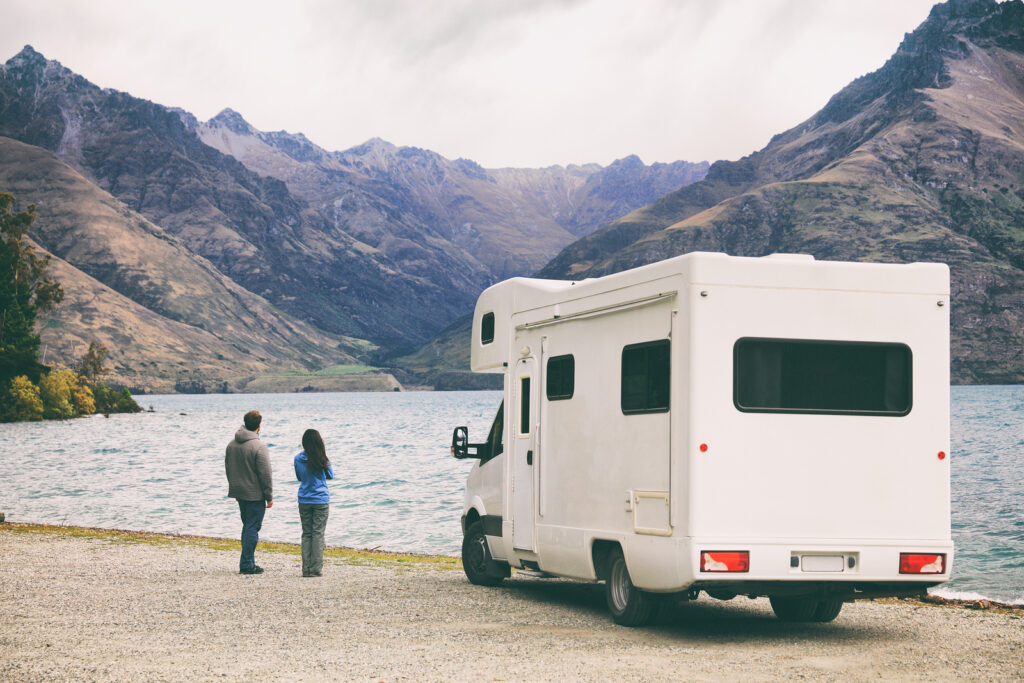
For many people, owning an RV or recreational vehicle is about freedom, adventure, and making memories. Whether you are heading out for a weekend getaway or traveling across the country, your RV and recreational toys represent both a lifestyle and a financial investment. What many owners do not realize is that these assets require specialized insurance coverage that goes beyond a standard auto or homeowners policy.
Understanding how to properly insure your RV and other recreational equipment can help protect you from unexpected financial loss and keep your adventures worry-free.
Why RV Insurance Is Different
An RV is not just a vehicle. In many cases, it is also a living space. That means it carries risks similar to both an automobile and a home.
A standard auto policy may provide limited liability coverage for driving, but it typically does not cover personal belongings inside the RV, attached equipment, or full time usage. At the same time, a homeowner’s policy usually offers very limited protection for an RV, especially when it is on the road.
This is why a dedicated RV insurance policy is so important. It is designed to address the unique combination of risks that come with owning and using an RV.
What RV Insurance Typically Covers
A well-structured RV insurance policy can include several key types of protection:
Liability Coverage
Protects you if you are responsible for causing injury or property damage to others while operating your RV.
Collision Coverage
Helps pay for repairs to your RV if it is damaged in an accident, regardless of fault.
Comprehensive Coverage
Covers non-collision events such as theft, vandalism, fire, or weather-related damage.
Personal Belongings Coverage
Protects items inside your RV such as clothing, electronics, and camping gear.
Vacation Liability
Provides liability protection when your RV is parked and being used as a temporary residence.
Emergency Expense Coverage
Helps with costs like lodging, transportation, or meals if your RV becomes unusable during a trip.
Coverage for Other Recreational Toys
In addition to RVs, many individuals own other recreational vehicles and equipment that require specialized insurance. These may include:
Each of these comes with its own set of risks, and standard home or auto policies often provide little to no coverage for them.
For example, a boat may require protection for physical damage, liability on the water, and even fuel spill liability. An ATV used off road will need coverage for accidents, theft, and potential injuries to others. Without the proper policy, you could be exposed to significant out of pocket costs.
Common Coverage Gaps to Watch For
Many RV and recreational vehicle owners assume they are covered when they are not. Some common gaps include:
Identifying and addressing these gaps is a key part of building a strong insurance plan.
The Value of Working with an Insurance Agent
Recreational insurance is not always straightforward. Coverage options, usage patterns, and equipment values can vary widely from one owner to another.
Working with an experienced insurance agent can help you:
An agent can also review your existing coverage to make sure there are no hidden gaps that could create problems later.
Protect Your Adventures
Your RV and recreational toys are meant to be enjoyed. The right insurance coverage lets you focus on the experience rather than worrying about the risks.
Whether you are traveling across the state or spending weekends at your favorite destination, having the proper protection in place helps ensure that one unexpected event does not derail your plans or your finances.


















 815-782-5511