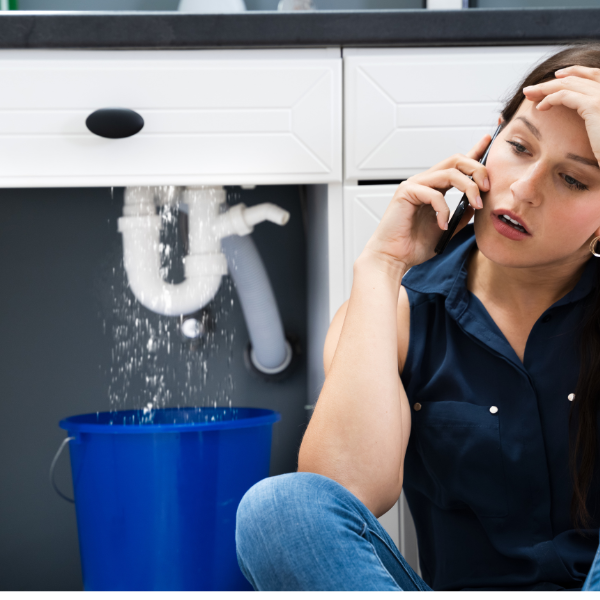
Water damage is one of the most common and expensive problems homeowners face. A burst pipe, leaking appliance, overflowing bathtub, or backed-up sewer can damage floors, walls, furniture, and personal belongings.
Does homeowners insurance cover the damage? The answer usually depends on where the water came from and whether the event was sudden and accidental.
When Homeowners Insurance May Cover Water Damage
A standard homeowners insurance policy generally covers sudden and accidental water damage caused by a covered event. Examples may include:
Depending on the policy, coverage may help pay for damage to the house, damaged personal belongings, water removal, and temporary living expenses if the home becomes uninhabitable.
Your deductible and policy limits will apply.
Are Plumbing Repairs Covered?
Homeowners insurance may cover the resulting water damage without paying to repair the item that caused it.
For example, if a pipe suddenly bursts behind a wall, the policy may help cover the cost of opening the wall and repairing the resulting damage. However, it may not pay to replace the worn or deteriorated pipe itself.
Insurance is designed primarily for unexpected losses—not routine maintenance or normal wear and tear.
Does Insurance Cover a Slow Leak?
Damage caused by a long-term or gradually developing leak is commonly excluded. Examples include:
Coverage may depend on whether the leak was hidden, how long it existed, and the specific policy language. Report suspected damage promptly and take reasonable steps to prevent it from getting worse.
Does Homeowners Insurance Cover Flooding?
Standard homeowners insurance generally does not cover external flooding. This includes water entering the home because of:
Flood insurance is typically purchased separately. Homeowners outside officially designated high-risk flood zones may still experience floods, so it is worth discussing the exposure with an insurance professional.
Is Sewer Backup Covered?
A standard homeowners policy may exclude or provide very limited coverage for water or sewage backing up through drains, toilets, or sump pumps.
Sewer and drain backup coverage can often be added by endorsement. It may help pay for cleanup and property damage following an eligible backup, subject to its own limit and deductible.
This endorsement should not be confused with flood insurance. The two cover different types of water losses.
What About Sump-Pump Failure?
Damage caused by a sump pump that stops working may not be covered by an unendorsed homeowners policy. An optional water-backup endorsement may provide some protection, depending on its terms.
Check the coverage limit carefully. A lower limit may not be sufficient for a finished basement containing flooring, walls, furniture, electronics, or other valuable property.
Is Mold Caused by Water Damage Covered?
Mold coverage depends on what caused it and how quickly the problem was addressed. If mold develops directly from a sudden covered water loss, the policy may provide limited coverage for remediation.
Mold caused by ongoing moisture, poor maintenance, high humidity, or a long-term leak is generally excluded. Some policies also contain specific mold limits or exclusions.
How to Help Prevent Water Damage
Homeowners can reduce the risk of water-related claims by:
Some insurance companies offer discounts for qualifying leak-detection or automatic shutoff devices.
What Should You Do After Water Damage?
If water damages your home:
Do not delay action while waiting for an adjuster. Most policies require homeowners to take reasonable steps to prevent additional damage.
Review Your Water-Damage Protection
Water damage coverage varies by insurance company and policy. The best time to discover a coverage gap is before a pipe bursts, drain backs up, or sump pump fails.
Contact our agency for a homeowners insurance review. We can help you understand what your policy covers and discuss options such as water-backup coverage, flood insurance, and higher limits for protecting your home.



















 815-782-5511