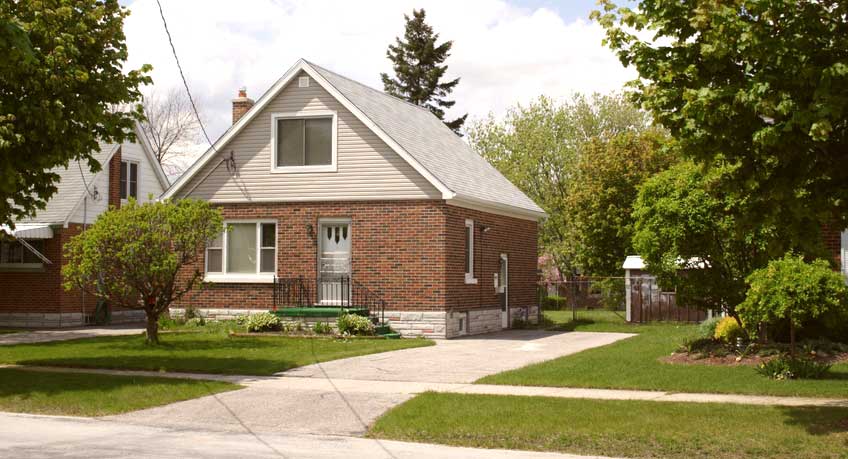
Bundling home and auto insurance means purchasing both policies from the same insurance company. Many insurers offer a multi-policy discount for doing so, making bundling one of the most common ways to reduce insurance premiums.
But does bundling always save money? The short answer is no—but it is certainly worth considering.
How Much Can You Save by Bundling?
The amount you may save depends on the insurance company, your location, your driving history, your home, and the coverage you select. Some companies advertise substantial discounts, but the actual savings will be different for every household.
Your discount may be applied to:
The only reliable way to determine your savings is to compare the total cost of bundled coverage with the cost of purchasing the policies separately.
What Are the Benefits of Bundling?
In addition to a potential discount, bundling may make your insurance easier to manage.
Fewer Companies to Contact
Having one insurance company or agency for your home and auto policies can simplify billing, policy changes, renewals, and questions about coverage.
A More Complete Coverage Review
When your agent reviews both policies, it may be easier to identify gaps or inconsistencies. For example, your home and auto liability limits should work together if you also carry personal umbrella insurance.
Potential Claims Advantages
Some companies may offer special claim benefits when the same event damages both your home and vehicle. Depending on the insurer and policy, this could affect how deductibles are handled. These benefits are not universal, so ask your agent how your coverage works.
Improved Account Stability
Some insurers may view customers with multiple policies as stronger long-term relationships. Although bundling does not guarantee that a policy will be renewed, maintaining several policies with one company may provide additional advantages.
When Might Bundling Not Save Money?
A bundle is not automatically the best deal. One company might offer an excellent home insurance rate but charge considerably more for auto insurance. Another company may be more competitive for a driver with an accident, a youthful driver, or a particular type of vehicle.
Bundling may not be the best option when:
The lowest premium is not always the best value. A cheaper policy can become expensive if it contains higher deductibles, lower limits, or important coverage exclusions.
How Should You Compare Your Options?
When comparing a bundle with separate policies, make sure the quotes provide comparable protection. Review:
Compare the combined annual cost not simply the size of the advertised discount. A large percentage discount does not necessarily produce the lowest overall price if the company’s starting premiums are higher.
Should You Bundle Your Home and Auto Insurance?
Bundling can save money and make insurance more convenient, but it should not be an automatic decision. The best approach is to compare the total premium, coverage, deductibles, and service offered by each option.
An independent insurance agent can compare multiple companies and determine whether placing your home and auto coverage together or keeping them separate provides the best combination of protection and price.
Contact our agency today for a home and auto insurance review. We can help you evaluate available discounts, identify possible coverage gaps, and find an insurance program that fits your household.



















 815-782-5511